

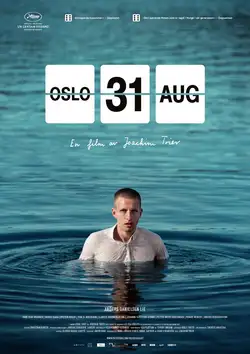
Directed by Norwegian filmmaker Joachim Trier, Oslo, August 31st (Oslo, 31. August, 2011) follows a single day in the life of Anders, a 34-year-old man nearing the end of his treatment for drug addiction. Granted leave from his rehabilitation center to attend a job interview in Oslo, Anders decides to remain in the city, reconnecting with old friends, encountering familiar faces, and moving through places tied to the life he left behind. As the day unfolds, this brief return becomes a deeply personal confrontation between the weight of past choices and the possibility of starting over.

Rather than focusing primarily on addiction itself, Trier explores the difficulty of re-entering a life that has continued in Anders’ absence. While his friends have built careers, relationships, and families, Anders finds himself increasingly disconnected from a world to which he once belonged. The film expresses this alienation not through dramatic confrontations, but through unfinished conversations, silences, everyday encounters, and the ordinary rhythm of Oslo. Anders Danielsen Lie’s restrained performance keeps the tension between the desire to begin again and the burden of the past at the center of the film.
Written by Joachim Trier and Eskil Vogt and inspired by Pierre Drieu La Rochelle’s novel Le Feu Follet, the film premiered in the Un Certain Regard section of the 2011 Cannes Film Festival. Positioned between Reprise (2006) and The Worst Person in the World (2021) in what has become known as Trier’s Oslo Trilogy, Oslo, August 31st uses the course of a single day to explore time, regret, loneliness, and the fragile possibility of beginning again.
Credits
Director: Joachim Trier
Screenplay: Joachim Trier, Eskil Vogt
Cast: Anders Danielsen Lie, Hans Olav Brenner, Ingrid Olava
Genre: Drama, Psychological Drama
Country: Norway
Runtime: 96 minutes

Leave a Reply