


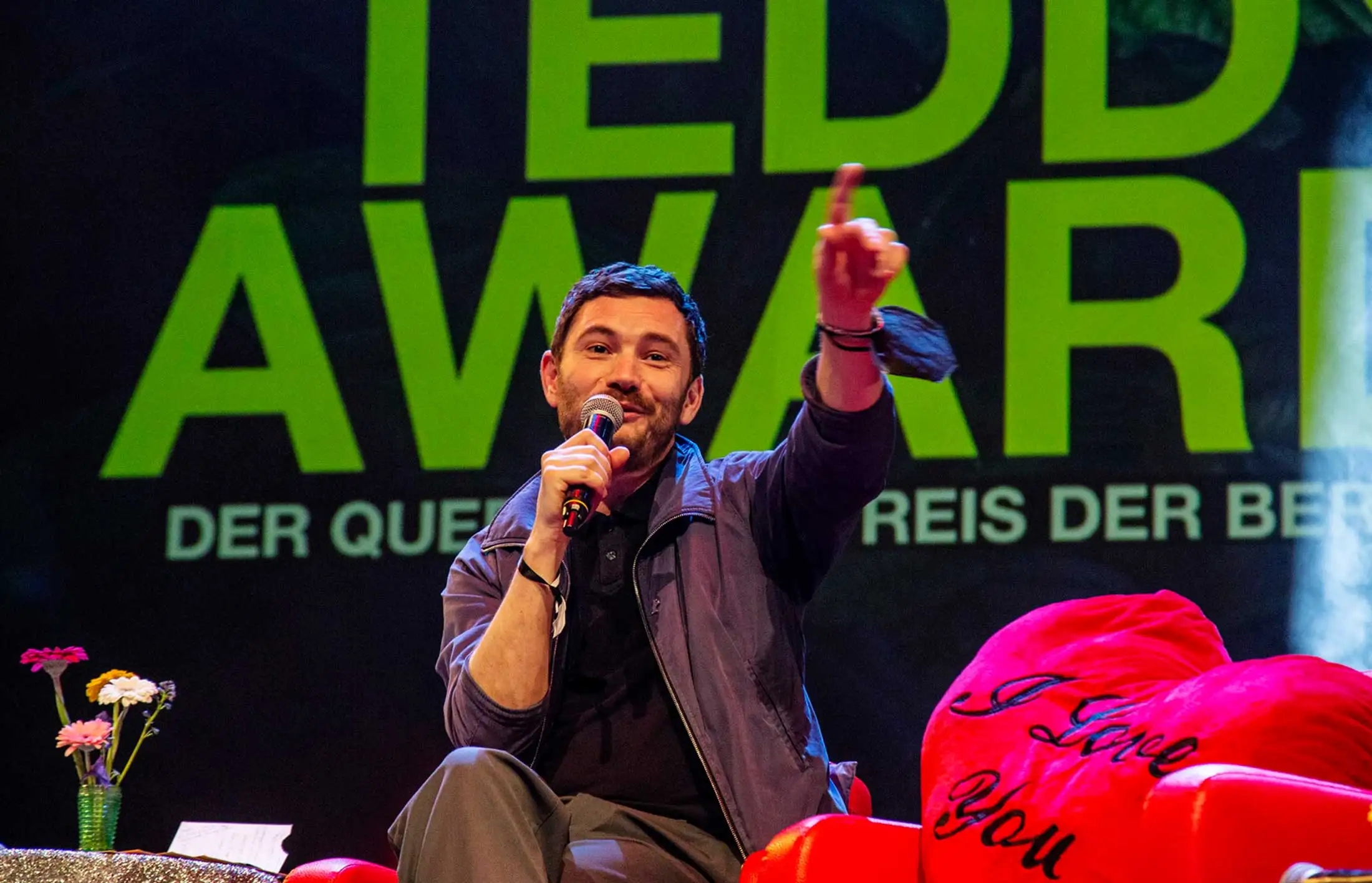
Michael Stütz began his journey at the Berlinale as an intern with the TEDDY Award in 2005. The following year, he became assistant to Wieland Speck, then head of Panorama. Today, Stütz is Head of Panorama and Co-Director of Film Programming at the Berlin International Film Festival.
During the 32nd Sarajevo Film Festival, Stütz spoke to Sinefil Atak about finding his way into film programming without a career plan, Panorama’s political and artistic identity, the changing landscape of queer cinema and the responsibility festivals assume when they select a film. He also discussed the Berlinale’s relationship with Turkish cinema and shared advice for filmmakers preparing their first festival submissions.
Türkçe versiyonu için bağlantıya tıklayın… TR

Your journey at the Berlinale began as an intern with the TEDDY Award in 2005. What do you remember most clearly from those early days?
Everything happened by chance, really. I did not have a plan. I was living in Berlin at the time because many of my friends had moved there. I had just completed my studies in film theory and was interested in festivals, although I had very little experience beyond attending some of them.
I wanted to find out whether festivals might offer a field in which I could work. I had always been interested in bringing films and programmes to audiences. Curated programmes shaped me significantly when I was young, although I often had to discover them for myself. The idea that somebody could curate a programme and that an audience could come, watch it, agree or disagree with it felt thrilling and exciting to me.
I simply wrote the TEDDY Award team an email. They replied, we met and they invited me to join them as an intern. I met many people because the award is part of the Berlinale and has a particularly close relationship with Panorama, where it originated.
The following year, I received an offer to start a proper job as assistant to Wieland Speck, who was then Head of Panorama. That was how everything began. I happened to be in the right place at the right time, and things developed from there.
I was very fortunate because I had no experience in that field. I had to learn everything, so I needed people who were willing to teach me and share their knowledge. I was lucky enough to find them.

When did you realise that film programming could become your profession?
Initially, I only had a vague idea that I might work for festivals. I did not even know what the possible roles were.
I grew up in a working-class environment, and attending university was already a significant step for me. Getting a job at the Berlinale was something I never really expected. My ambitions were modest at first. I did not imagine a major career; I simply took things step by step and wanted to enjoy the work I was doing.
The experience also taught me that a festival’s organisational work and its communication with filmmakers are just as important as its curatorial work. Before I became a programmer, I worked with guests, organised events and learned how the festival functioned. I am grateful for that because you can only understand a festival when you also understand its organisational and financial dimensions.
That experience shaped me profoundly as a festival worker. Wieland Speck was a wonderful mentor who supported me and gradually gave me more creative and curatorial responsibilities. I also began travelling to other festivals and building a network. My interest in programming developed naturally through those experiences.
Panorama has a strong political and artistic identity. What makes a film right for the section today?
That is almost impossible to answer because there is no formula. The films bring their themes, aesthetics and narratives to us. As programmers, we then try to assemble the best possible programme from around 2,000 or 2,500 films. Ultimately, Panorama selects approximately 30 feature-length fiction and documentary films.
Historically, Panorama has presented socially engaged films. Some have an activist impulse at the heart of their narratives. At the same time, a film’s artistic vision, aesthetic form and filmmaking must support its subject. If a film is only topical, that can be difficult.
These elements do not have to cancel each other out. A film can be artistically daring and break new ground while retaining a socially engaged or activist heart. Panorama demonstrates how wonderfully those qualities can come together.
The films often provoke an immediate emotional response from audiences. That is something we value. Panorama maintains a strong dialogue with its audience and also a relationship with the market, because films need opportunities to travel and reach the world.
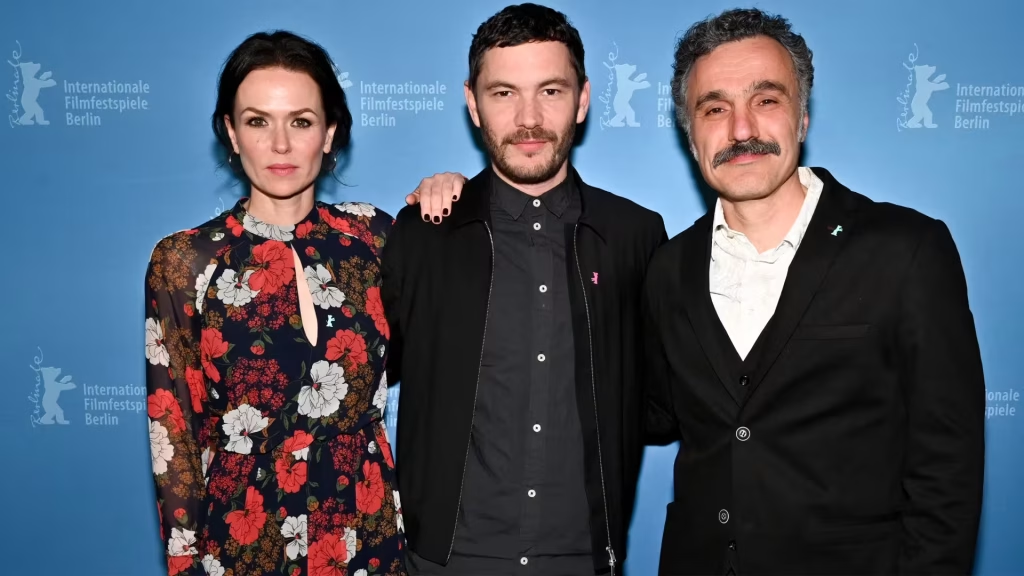
After watching so many films, what tends to stay with you once a screening ends?
The images often stay with me, but I also need to remember the stories. Sometimes we watch a film very early in the process—perhaps during the summer—and several months may pass before a decision is made. I watch around 600 films a year, so taking notes is essential.
The conversations surrounding a film are equally important. Although I make the final decisions for Panorama, programming is never the work of only one person. I have a team of 12 people who advise on the selection. They bring an enormous amount of expertise that I genuinely need.
You can create a programme by yourself, but it becomes more valuable, diverse and profound when a great group of people contributes to it. Those conversations shape the way you see a film and can sometimes change your perspective.
Still, an image, the opening minutes, a particular scene or a movement of the camera may stay with you. Something can move you intensely and create that feeling of excitement.
Is there a film or a particular scene to which you frequently return?
I love revisiting films. Most of the year, I am discovering new work, searching for new films and looking for new talent. That makes it especially important for me to return to films I already know and rediscover them.
Sometimes I revisit something I have not seen for 20 years and perceive it in a completely different light. Your experiences during that time change your perspective.
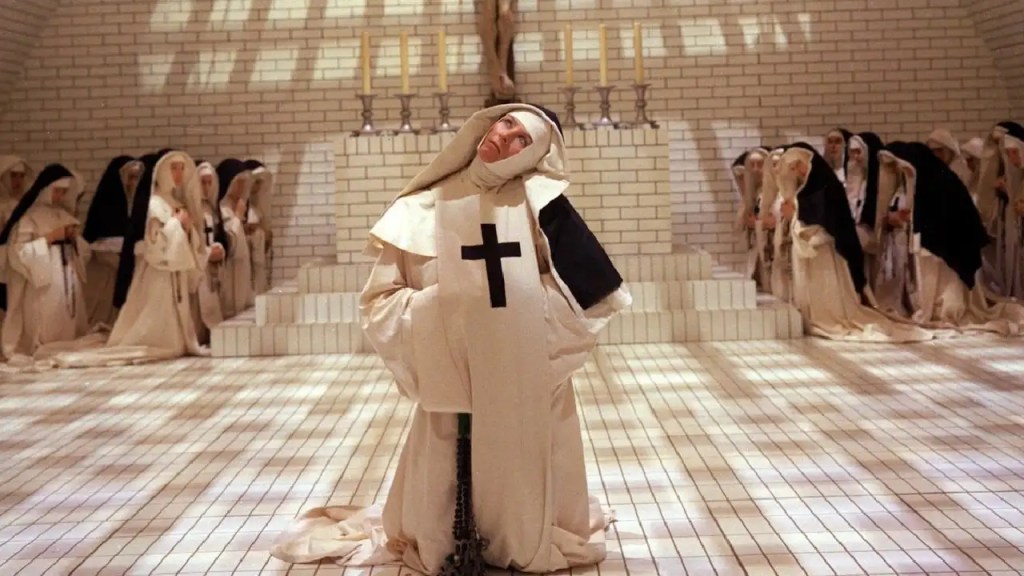
At Cannes, there was a screening of a 4K restoration of Ken Russell’s The Devils from 1971. I had seen it once before and had been extremely impressed by it. Derek Jarman designed the sets, and the film has a wonderful cast. It is transgressive, stylish, wild and very distinctive. It caused a scandal when it was released.
I occasionally return to certain scenes or share them with friends. When we are discussing films, I often say, “Have you seen this? You need to see it,” and start showing people clips because I am very passionate about it. The Devils is a particularly special film for me.
“Every film that you see shapes your point of view.”

How do you preserve your passion for cinema when watching films is also your profession?
You need patience. The work cannot be guided only by your personal taste. Of course, there is always a subjective element because that is partly what drives you, but conversations with colleagues are hugely important.
You also have to respect every film, including those with which you do not personally connect or which ultimately do not fit the programme. Every film represents a tremendous amount of passion, time, money and collaborative work.
Every film that you see shapes your point of view. Even the films that do not end up in the programme play a part in shaping the programme that ultimately emerges. Each one influences your perspective on the year’s cinema, and you inevitably consider the films in relation to one another.
I say this at Panorama’s opening every year, and I do not mean it cynically. I mean it sincerely.
Of course, the process can sometimes be difficult. You need to recognise your limits, although there are also moments when you must exceed them. Sometimes you have to admit that it is not the right moment to watch a particular film because you are too tired or not attentive enough. Perhaps you have already watched too many emotionally heavy films that day.
You need to take care of yourself and your colleagues. Films can be extremely violent or emotionally triggering. Programmers are people too, so good communication about these experiences is essential.
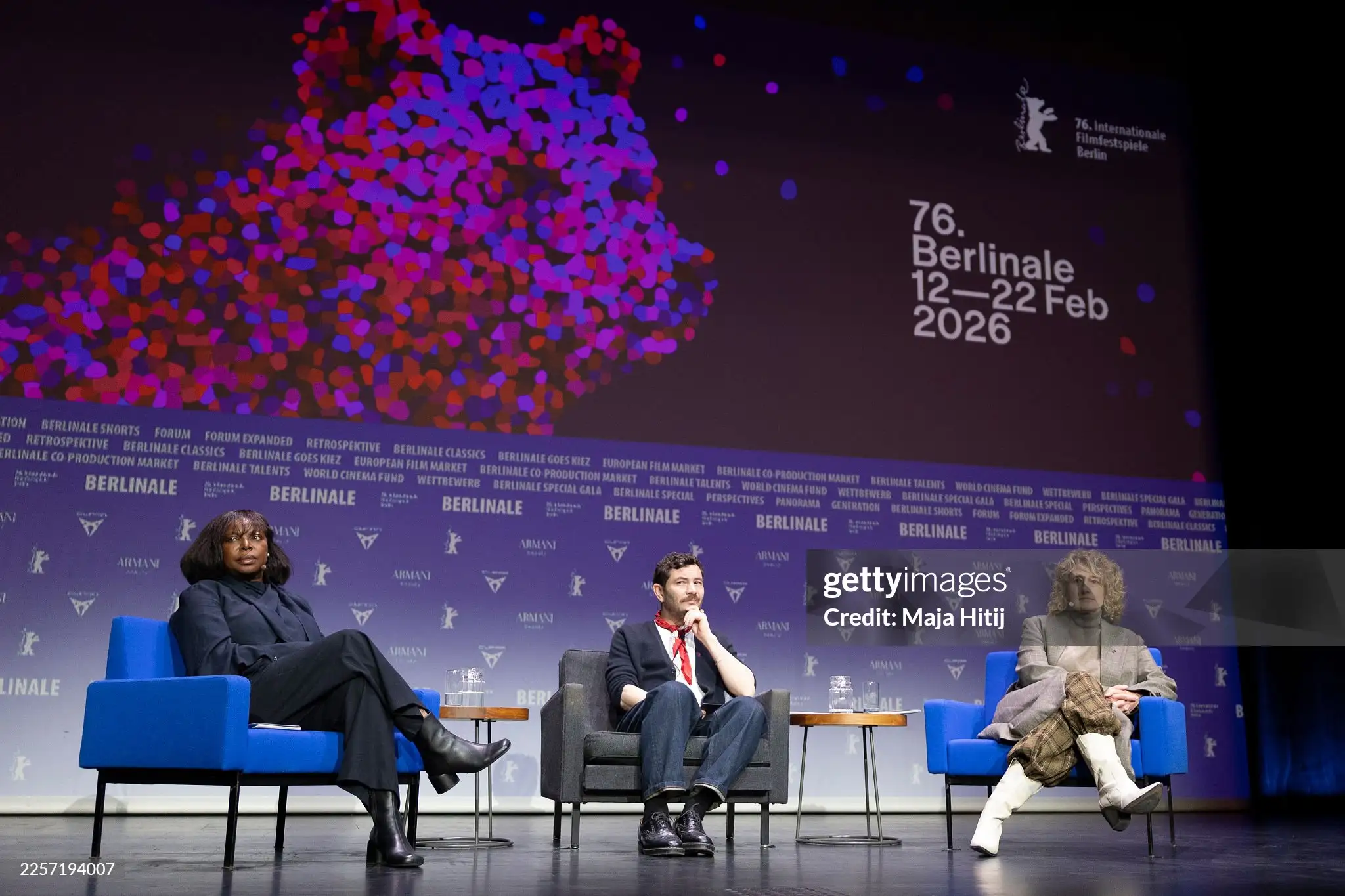
Queer films are still frequently discussed through identity, trauma and suffering. How can festivals make room for a wider range of queer stories?
Some films still revolve around traumatic experiences, coming of age and the search for support. That is valid as long as the characters are not exploited for their trauma or suffering. Even in a serious or sad film, the possibility of change can offer an audience hope.
Globally, queer cinema has come a very long way over the past 40 or 50 years. The Berlinale began making space for queer films in its programme almost 50 years ago. Today, queer cinema encompasses an enormous range of subjects and approaches across documentaries, short films, experimental work and fiction.
Queer films can now be found throughout the competitions at major festivals. They are no longer a novelty; they are simply part of cinema, which is a positive development. Queer stories have also become more successful in cinemas, on television and at a more mainstream level.
A broad range of representation is crucial. We are seeing greater visibility for trans-feminine and trans-masculine stories, as well as more trans directors coming to the forefront—although still far from enough. The same applies to women directors.
A better balance brings different subjects and perspectives. We now see queer comedies and genre films alongside many other forms. Queer cinema is strong and exploring every avenue of filmmaking rather than being confined to a single category.
A festival can transform a film’s journey by selecting it. What responsibility does it have after the premiere?
A festival selection can change a film’s path. It may travel to other festivals and hopefully secure distribution.
At the Berlinale, we try to support filmmakers wherever we can. That might involve connecting them with another programmer or continuing to give their work visibility on social media—for example, by sharing news about an award or a theatrical release.
If you select a film, you are declaring your support for that work and its filmmaker’s vision. There have also been political circumstances in which festivals needed to stand behind filmmakers after the event.
In terms of circulation, however, festivals can only do so much. A film presented at a festival such as the Berlinale will often have a sales agent and publicist, but smaller productions may have far fewer resources. Films need that support system as they continue their journeys.
A festival provides a platform and invests its energy in the premiere. It brings together the press, industry and audiences. Afterwards, the film has to continue its journey. We can offer support and connections where possible, but our resources also have limits.
“Festivals need to be spaces where people can come, discuss and bring different opinions.”
Festivals are often expected to respond to political crises. How can they do so without compromising artistic freedom?
Festivals have to remain open and continually challenge themselves. Once again, working with the right people on selection committees is essential because they contribute different perspectives and areas of expertise.
Political friction is always possible. Nevertheless, festivals must bring people together and enable conversations about difficult and emotionally charged subjects.
We can see the world in which we are living: there are wars, oppression and killings. Festivals need to be spaces where people can come, discuss and bring different opinions.
We must remain alert and ensure that potential conflicts do not compromise our artistic and curatorial vision. If that begins to happen, a festival has to reconsider its role.
Self-censorship is a genuine danger in contemporary global society, particularly amid the strength of the political right. We need to remain highly vigilant.
What catches your attention when you look at recent films from Türkiye?
I must admit that there were several years in which we had few films from Türkiye at the Berlinale, and occasionally none. In recent years, however, Turkish films and filmmakers have become more visible across the festival.
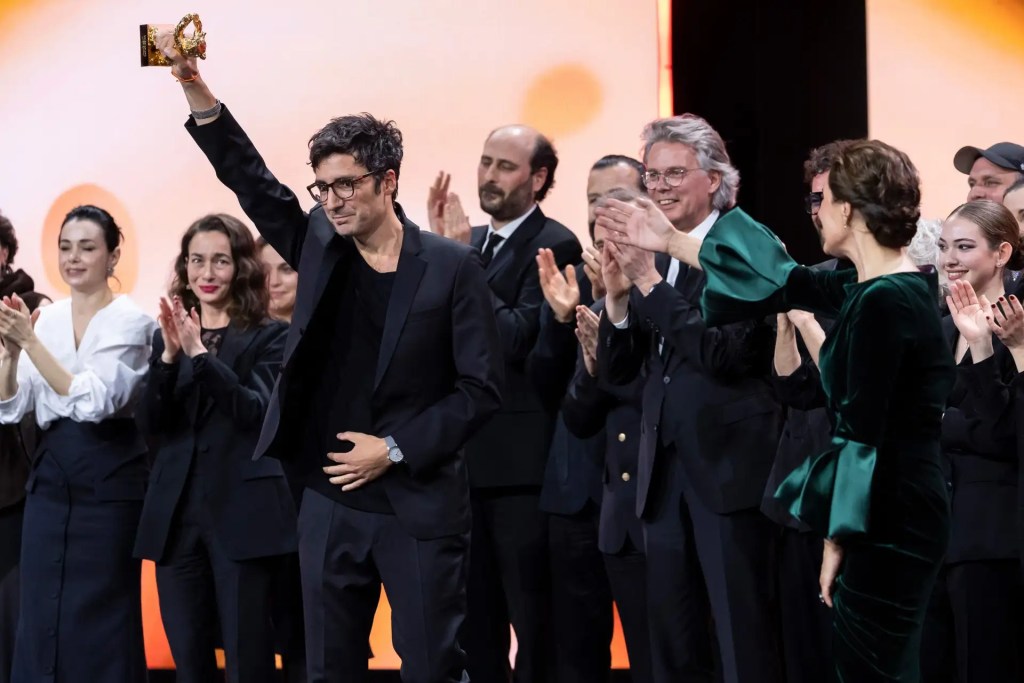
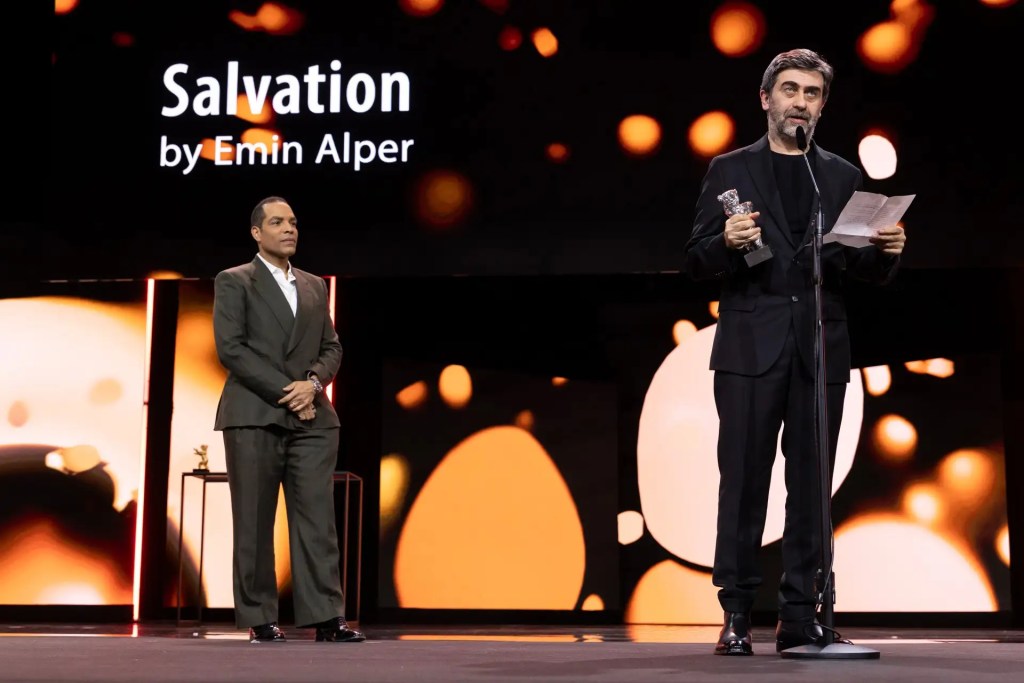
This year, Emin Alper was in the Competition and won the Silver Bear Grand Jury Prize. The Golden Bear went to İlker Çatak, a German-Turkish filmmaker. İlker Çatak’s film was a Turkish co-production, set in Türkiye and spoken entirely in Turkish, so to a certain extent I would consider it partly a Turkish film.
We also had films in other sections. The Berlinale has a long relationship with Turkish cinema, and we have a large Turkish audience in Berlin. That connection is very important. I have experienced many wonderful moments with films from Türkiye, both in Panorama and elsewhere at the festival.
Semih Kaplanoğlu’s Bal (Honey), which won the Golden Bear in 2010, is one example. It was a long time ago, but it remains significant.
There is considerable interest from the audience and a commitment from the festival to presenting the variety within Turkish filmmaking. More young women are directing films, which is an important development. We regularly travel to Istanbul to watch films and meet filmmakers.
Sarajevo is also valuable in this respect because projects from Türkiye are consistently represented, including in the works-in-progress programmes.
“Do not make the mistake of rushing. Be very, very clear and confident about the version you want to send.”

What advice would you give filmmakers submitting their first film to the Berlinale?
I understand why filmmakers discuss which festivals might suit their films. There are many festivals, and emerging filmmakers trying to enter the industry need a strong strategy. I would always recommend having more than one plan.
Apply to the major festivals, absolutely, but also have alternatives. Many other excellent festivals can launch a successful festival journey. A film can travel widely and achieve equal success after beginning somewhere else.
At larger festivals, your film is competing for attention with many other titles. There is a great deal of noise to cut through. You therefore need the right support system, including a sales agent and a PR representative, to help attract press attention. This has become increasingly difficult because festivals now host fewer press representatives as resources decline across the industry.
Festivals do have different profiles. A film may appear to be a natural fit for Locarno and less obviously suited to another festival, but you never really know. Major festivals contain a wide variety of sections and approaches.
At the Berlinale, for instance, a film may be submitted to the Competition but also be considered for Forum, Generation or another section. The programmers communicate with one another. If colleagues admire a film but do not see it in the section to which it was submitted, they may discuss it with another team because they still want to find the right place for it.
If you have questions, communicate with the festival. Ask when to submit and which version would be most appropriate. Do not make the mistake of rushing. Be very, very clear and confident about the version you want to send. Even if the answer is no, you should still be able to say: “This was the version I wanted them to see.” You only have one chance, so you need to be very aware of that.
Do not be afraid to contact festivals. There are people working on communication within the programme teams and sections, and they try to respond quickly.
At the same time, filmmakers should not create films according to what they imagine the Berlinale, Cannes or another festival wants. They should be aware of festivals’ profiles and sections, but they must concentrate on their own artistic vision.
The Berlinale can accommodate an enormous range—from experimental work and video art to large-scale genre films. Filmmakers should never begin by asking, “What does the festival want me to make?” That is the wrong approach.

Leave a Reply