


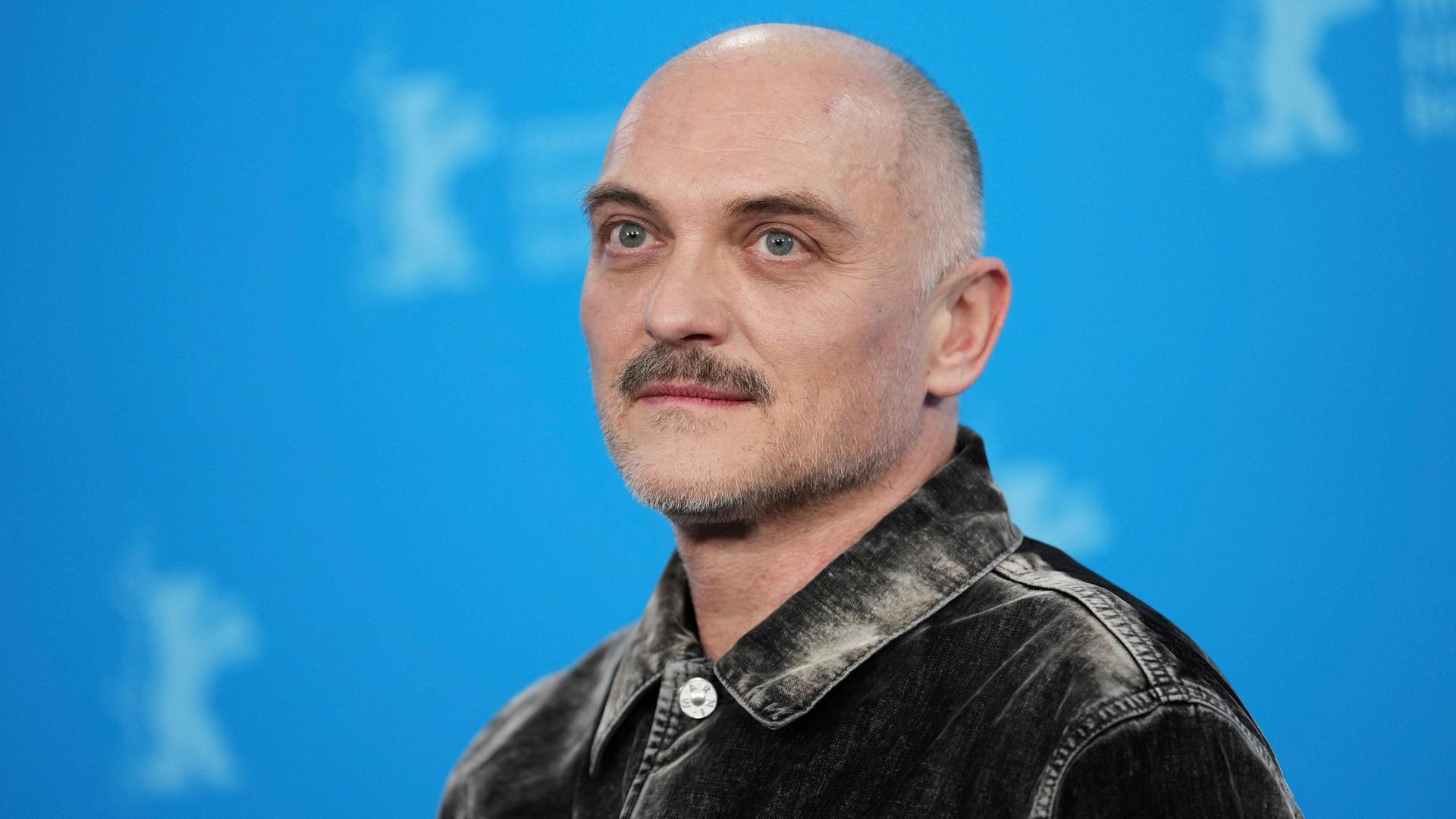
After its screening in the Golden Tulip Competition at the 45th Istanbul Film Festival, we spoke with director Markus Schleinzer about his latest film, Rose.
Premiering at the 2026 Berlinale, Rose unfolds as a stark meditation on identity, gender, and the cost of survival in 17th-century Germany. Starring Sandra Hüller, the film moves beyond historical drama to examine how identity is shaped, performed, and ultimately judged.
We spoke with Schleinzer about rigid social structures, the ethics of conformity, and the fragile nature of freedom.
TR | EN | Türkçe dil seçeneğine buradan ulaşabilirsiniz.
“There is more freedom in pants”
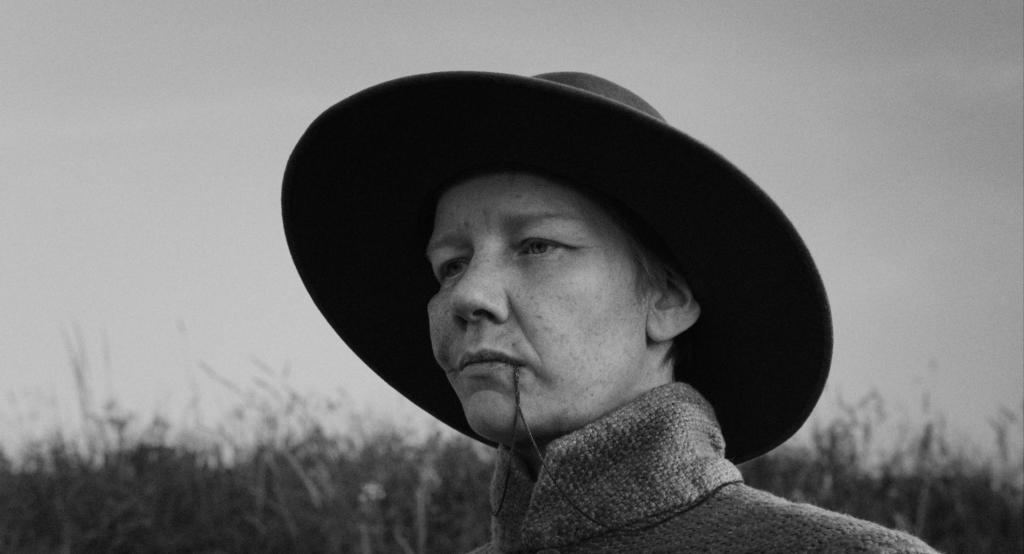
Fatih Tuncay: What drew you to explore identity and freedom through Rose? Was it the character herself, or the system she exists within?
Markus Schleinzer: A few years ago, a historian friend of mine called me to wish me a happy birthday and told me about an interesting German court case she associated with the date.
Exactly 250 years before I was born, on the same day, a woman had been executed for pretending to be a man.
This birthday greeting was the beginning of a lengthy research project in which I studied hundreds of women from different centuries who, for various reasons, had put on pants to publicly present themselves as men. Even if only for a short time. Many different reasons: easier access to work, escape, crime, the hope of avoiding rape, the hope of avoiding forced marriage, the hope of living a more self-determined life, access to education, lesbian desire, transsexuality, patriotism. There were also some female pirates!
However, the resulting screenplay does not follow a single biography, but represents a conglomeration of my imagination and individual fates that I could encounter on my journey with the subject. “There is more freedom in pants” Rose says at one point.
That is exactly what connects all the women`s fates that I’ve encountered.
I found it really fascinating to tell a story about something that some people take for granted, while others are only allowed to experience it as frauds.
17th-century Germany presents a particularly rigid social structure. Was this period simply a historical setting, or also a way to comment on the present?
Every good historical movie also tells us something about the present. And human needs, such as the quest for freedom, haven’t changed all that much. I think the film is so successful precisely because this story still resonates deeply with us. And yes, my approach was to use the past as a backdrop to make contemporary issues visible and tangible.
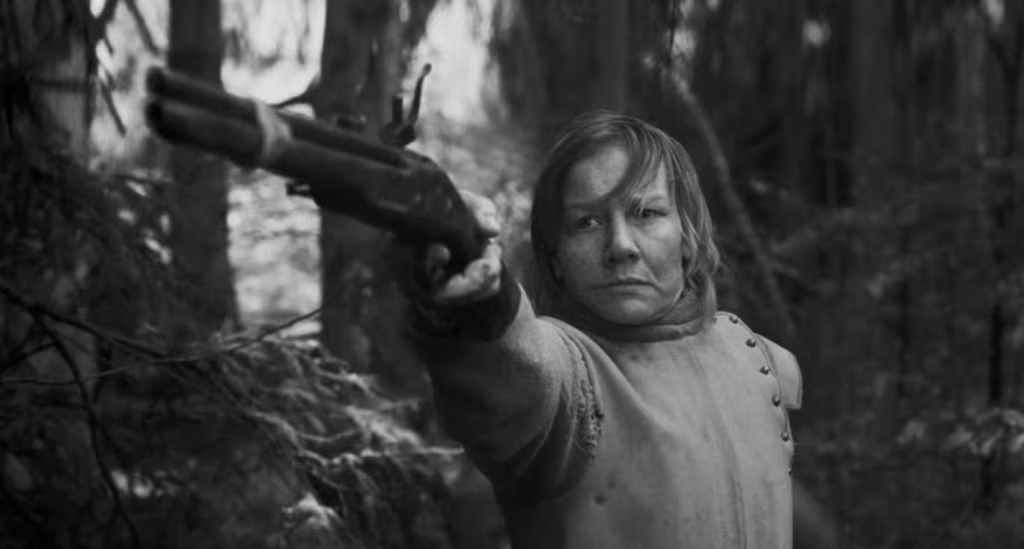
The film strongly suggests that identity is constructed through performance rather than essence. Is this something you observe, or something you consciously wanted to explore?
Above all, it is the reality in which I—and all of us—live. Every day, we board buses and trains and sit next to other people in restaurants. And we automatically assign them an identity, often without questioning it further. But for some, things get complicated when an individual wants to determine for themselves the identity that has been assigned to them.
But everyone who truly desires something is vulnerable and susceptible to attack. They can also become unjust and blind to the desires of others.
Rose’s decision to assume a male identity feels less like an escape and more like a strategic choice. Do you see her primarily as a victim, or as an active agent shaping her own fate?
Definitely an active agent.
Rose´s story is one of self-realisation.
She recognizes opportunities for herself to lead a certain life and puts them into practice.
Surrounded by irrefutable definitions in her time, Rose begins to tell her own story.
It is not meant to benefit anyone but herself – she is no revolutionary – but it is nevertheless the conscious act of asserting herself against the preformulated path for women in those times that is her rebellion.
But yes, she probably made those decisions based on her own painful experiences – as a victim.
And in return, the film does not hide the fact that Rose herself, in her irrepressible desire for freedom, limits the freedoms of others. She lies, she mistreats and abuses.
She is therefore also responsible for Suzanna’s fate.
But everyone who truly desires something is vulnerable and susceptible to attack. They can also become unjust and blind to the desires of others. Rose is an ambivalent, fragile and touching character. Finding one’s place in the world, claiming it for oneself, and holding on to it is one of the most difficult things to achieve.
If you want to keep your secret hidden, you have to do what everyone else does. You’ll always remain invisible in society if you don’t stand out from it and live according to the prevailing norm.

The film portrays conformity both as a survival strategy and as an ethically troubling space. For you, is conformity an unavoidable necessity, or a dangerous form of submission?
Both.
If you want to keep your secret hidden, you have to do what everyone else does. You’ll always remain invisible in society if you don’t stand out from it and live according to the prevailing norm.
Of course, this becomes more difficult when societies stray far from the path of democracy, and too many people follow that path out of fear. Then it takes generations again, and many wasted lives, to bring about change.
After all, we mustn’t forget that change usually only happens where previously established rules are broken.
Because if we’re truly serious about living together on this planet, that can only happen through dialogue.
The relationship between the two women goes beyond romance and opens up a space of solidarity. However, this balance is disrupted by a third woman revealing the truth. What was your main intention in shaping this relationship?
From the very beginning, I wasn’t particularly interested in telling a story of romantic love, because love can’t really be explained. It’s a force of nature. I wanted to tell the story of two people working together toward a utopia—a vision of how they could live more self-determined lives in the world they inhabit. And both of them have to learn that having power doesn’t necessarily mean using it against someone, but perhaps sharing it.
Solidarity has fallen out of fashion, just like dialectics and the culture of debate. I find that deeply troubling.
Because I always feel connected to dialectics.
Because if we’re truly serious about living together on this planet, that can only happen through dialogue.
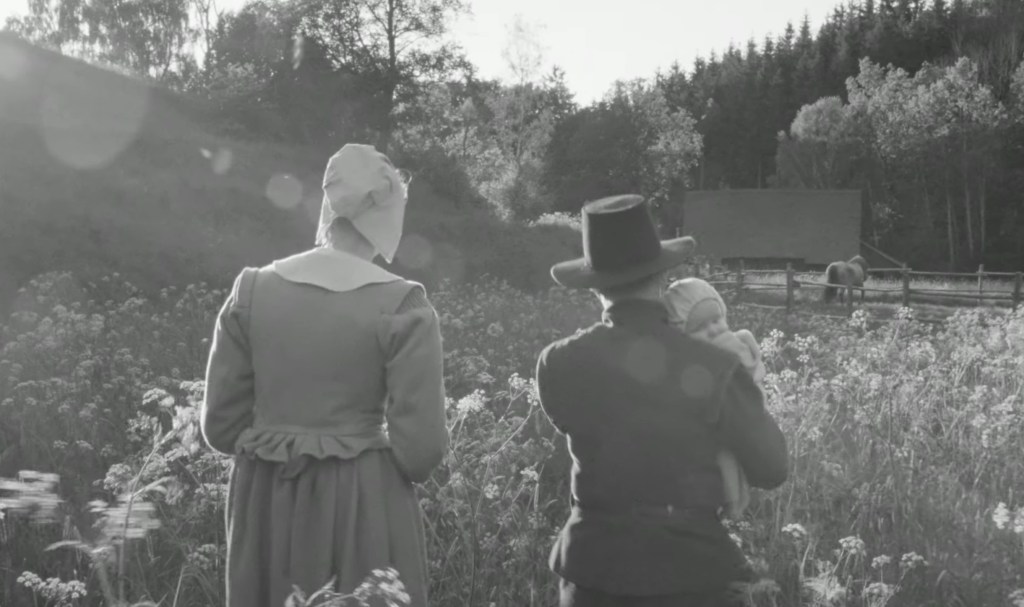
The use of an external narrator makes the story more accessible, yet at times limits the audience’s space for discovery. What do you feel you gained with this choice, and what did you risk?
The comic con artist has many male counterparts in world literature. In the German-speaking world: Simplicisimus, Münchhausen, Felix Krull, and so on. Hardly any female ones. I wanted to pretend that this novel already existed, that it just hadn’t been made into a movie yet.
So I wrote a novel first. 1,000 pages. And from the very beginning, a narrative voice accompanied me. I love this form. I must admit—quite selfishly—that I didn’t think about whether the audience would gain or lose anything in the process. But no one would have financed this novel for me. So I simply adapted the last 200 pages into a film.
Now, when I think about this question, I have to laugh at myself, because even today I still don’t know who my true self really is.
Although Rose is never able to live freely as herself, the film leaves a strong sense that she “dies free.” For you, is freedom about living as your true self, or about taking responsibility for the life you choose?
Now, when I think about this question, I have to laugh at myself, because even today I still don’t know who my true self really is. And I also don’t know if that’s a state of being that, once achieved, lasts forever. But taking responsibility—for myself and for others—is something that’s very close to my heart.
So I started—just for her—to write a sequel. The story centers on the two children: Rose’s child and Suzanna’s child. And I intend to break the cycle.
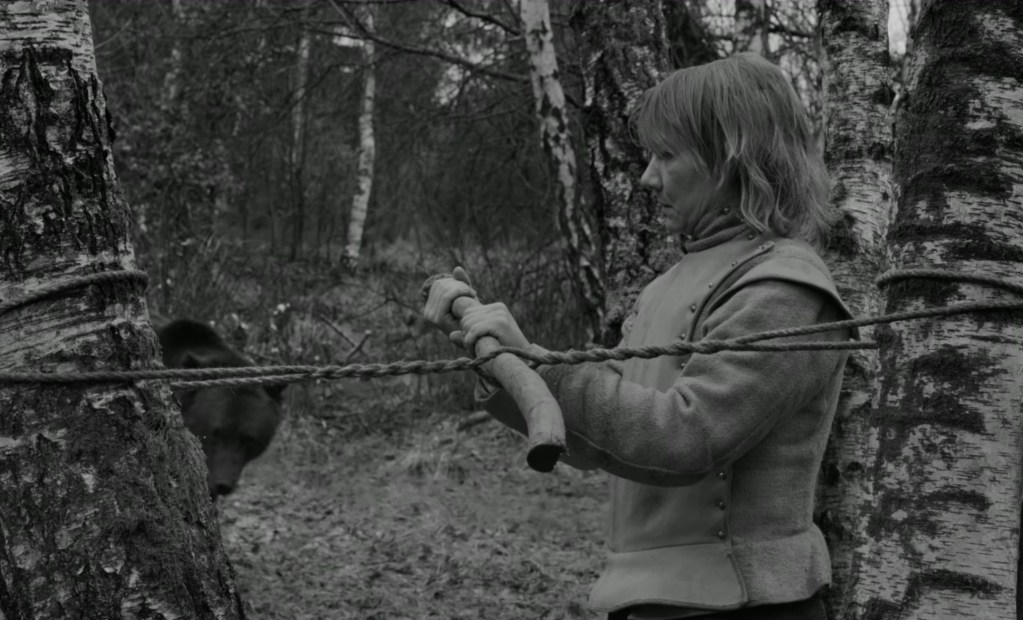
In the final moments, the child Rose leaves behind suggests that her fate may continue in a cyclical way. What message did you intend to convey with this ending?
It just seemed logical to me that they would take the child away from her. I was writing at Rose’s place and didn’t give the child much thought. But at the premiere in Berlin, I encountered a 15-year-old girl who was crying her eyes out. Because she couldn’t cope with the way womanhood is portrayed here, and the prospects it offers. So I started—just for her—to write a sequel. The story centers on the two children: Rose’s child and Suzanna’s child. And I intend to break the cycle.
Rose’s refusal to see the child is particularly striking. Do you interpret this as an act of protection, or as an awareness that her own life is destined to be repeated?
For the final chapter, it was important to me to treat Rose with dignity despite all the adversity, and to portray her as actively and self-determined as possible. That is why she begins to write, why she wants to rehearse her execution. Everything one can do to avoid giving up or going mad. Not wanting to see the child anymore is also an active choice. And despite all the pain, it is her own decision. There is to be no bonding between mother and child—something so crucial in the first hours after birth—so that the child will not seek her out one day. Instead, perhaps her heart will be bound to other people. It may seem cruel, but Rose acts here after serious consideration, in order to possibly prevent suffering.
She remains strong. The price is high. I’ve certainly seen the film a hundred times.
This scene breaks even my heart every time.

Leave a Reply